DSIP
Effect Profile
How DSIP scores across 8 body systems
18
/ 80 total
Top strengths
Purrptide digest
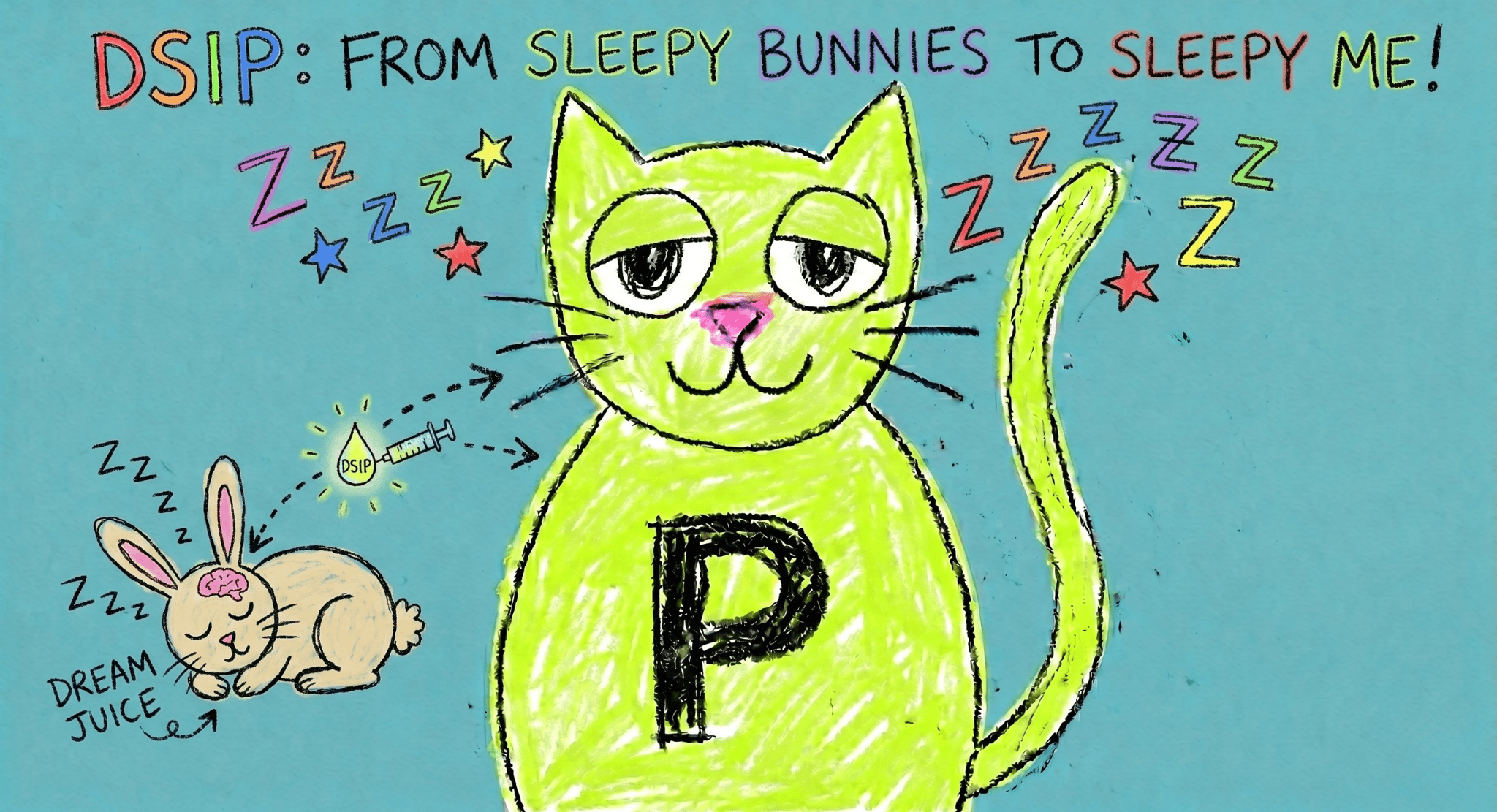
Delta Sleep-Inducing Peptide was discovered in rabbit blood during sleep research in the 1970s, named directly for the effect it appeared to produce. Despite the name, decades of follow-up research have produced inconsistent results on whether it reliably increases deep (delta-wave) sleep in humans. It's mostly used today in research and biohacking circles, with anecdotal reports outpacing the actual clinical evidence by a wide margin.
What this means for you
Take the name with a grain of salt — human evidence for reliable sleep improvement is genuinely mixed despite the catchy branding.
Inconsistent trial results over decades mean this shouldn't be presented to patients as a proven sleep aid, despite the suggestive name.
Fifty years after discovery, the mechanism and reliability of DSIP's sleep effects remain genuinely unresolved — a good case study in named-but-unproven peptides.
A long research history with no clear commercial translation. The sleep-aid market has moved on to other approaches.
For the nerds
A naturally occurring delta sleep-inducing peptide
European Journal of Pharmacology · DOI: 10.1016/0014-2999(77)90096-3
Read full paper on PubMed →